Trail-Ready Electric Dirt Bikes: Quiet Power for the Wild
Explore trail-ready electric dirt bikes, their benefits, technology, performance, and why they are reshaping off-road riding with quiet power and eco-friendly design.
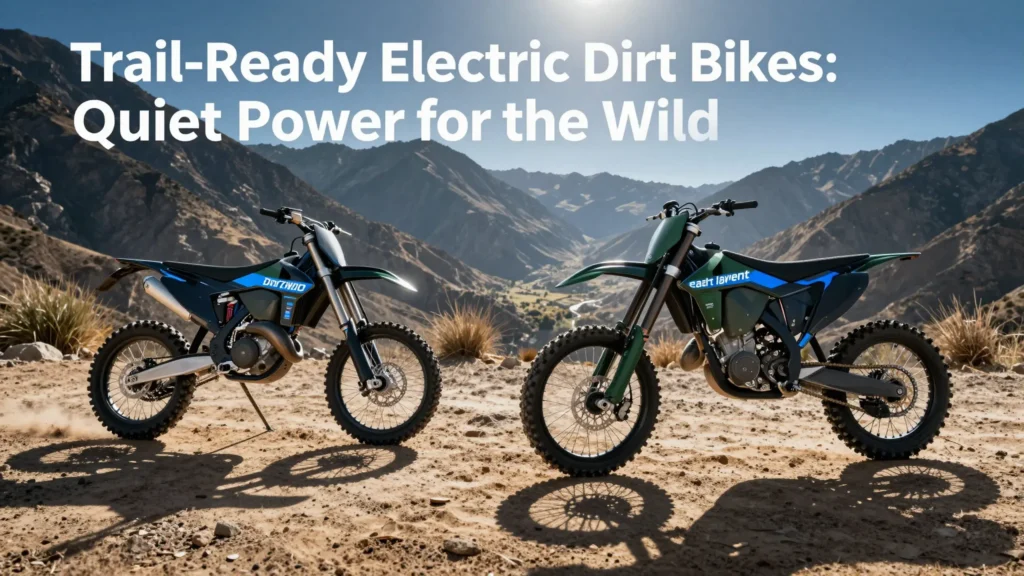
Electric dirt bikes are rapidly changing the off-road world. Once considered experimental or underpowered, today’s trail-ready electric dirt bikes are proving they can handle rugged terrain, steep climbs, and long rides while offering a cleaner and quieter alternative to traditional gas-powered machines. As technology improves and riders seek more sustainable ways to explore nature, electric dirt bikes are becoming a serious option for trail enthusiasts of all experience levels.
The Rise of Electric Dirt Bikes
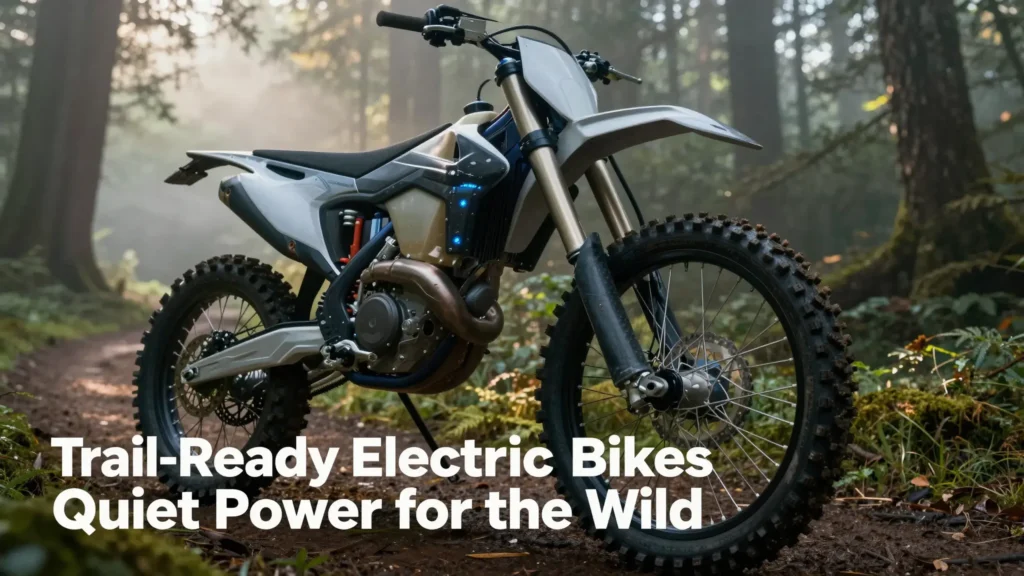
The idea of riding silently through forests and mountain trails would have sounded unrealistic a decade ago. Early electric bikes struggled with limited range, heavy batteries, and modest power. Modern designs, however, have solved many of these problems. Advances in lithium-ion batteries, lightweight frames, and efficient electric motors have made electric dirt bikes both capable and reliable on demanding trails.
This shift is also driven by changing attitudes toward outdoor recreation. Many riders want to reduce noise, avoid exhaust fumes, and minimize their environmental footprint. Electric dirt bikes answer these concerns while still delivering the excitement and challenge that off-road riding is known for.
What Makes a Dirt Bike “Trail-Ready”?
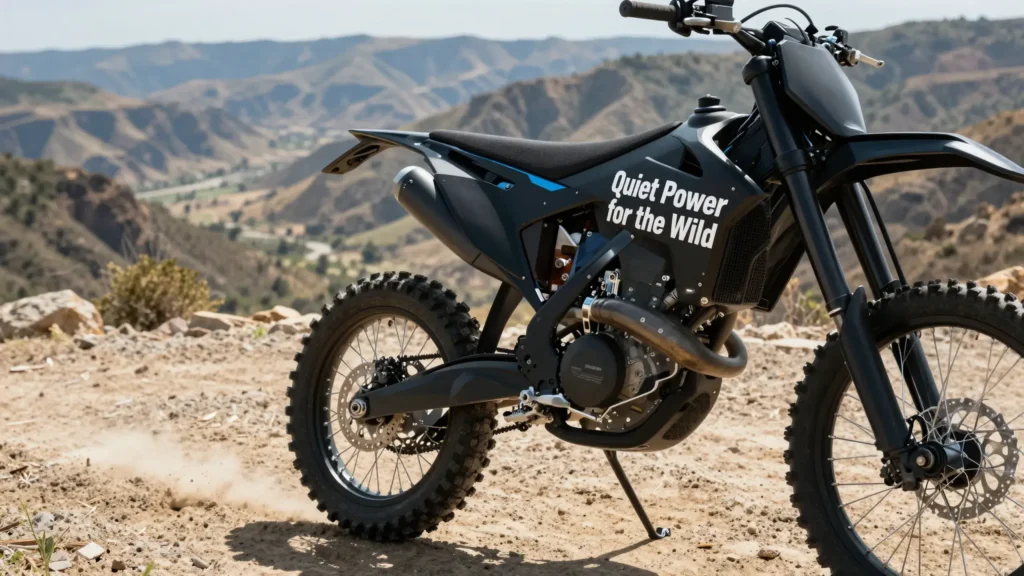
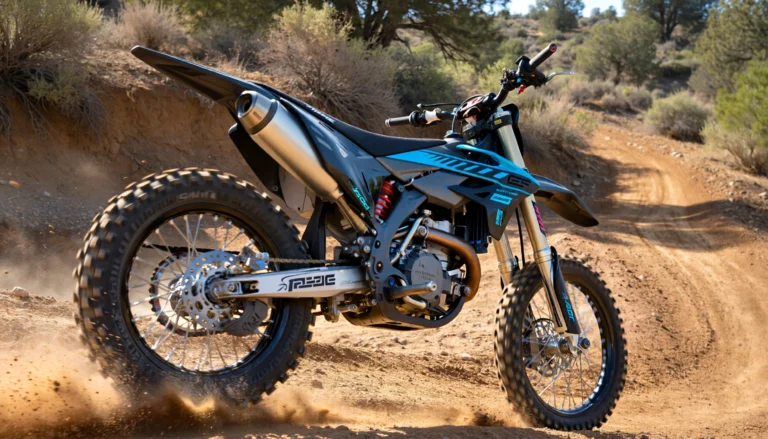
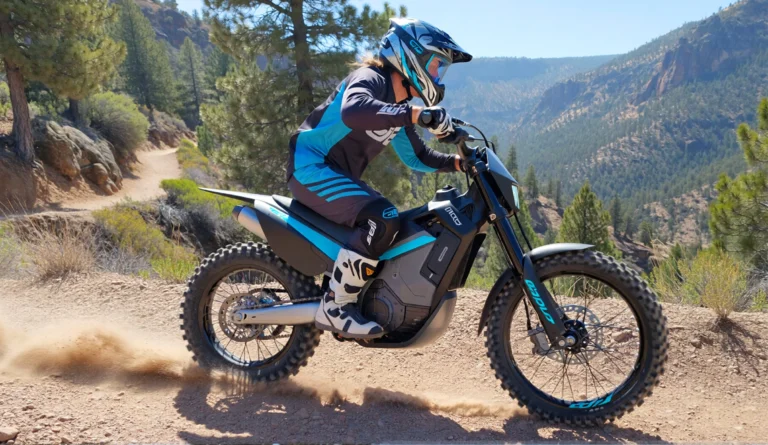
A trail-ready electric dirt bike is built to handle uneven terrain, rocks, roots, mud, and steep elevation changes. These bikes typically feature strong suspension systems, durable frames, knobby off-road tires, and sufficient ground clearance. Electric versions add specialized components such as sealed battery packs and water-resistant electronics to ensure reliability in outdoor conditions.
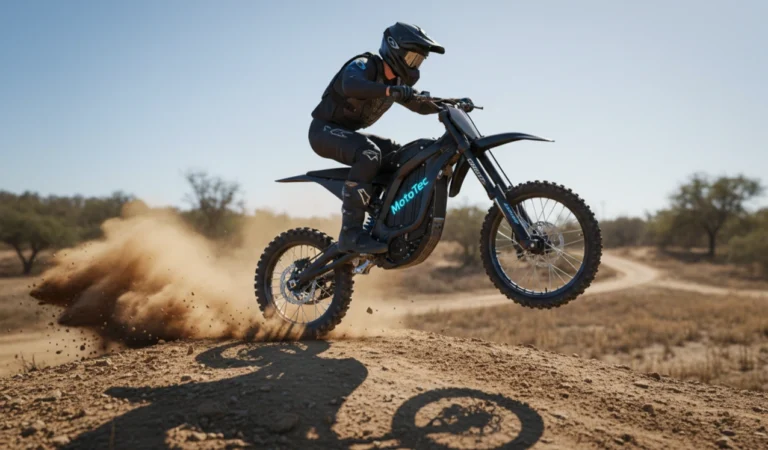
Power delivery is another key factor. Electric motors provide instant torque, which is especially useful when climbing hills or navigating technical sections. Unlike gas engines that require shifting and careful throttle control, electric bikes deliver smooth, predictable power that can make trail riding more accessible and enjoyable.
Performance and Power Characteristics
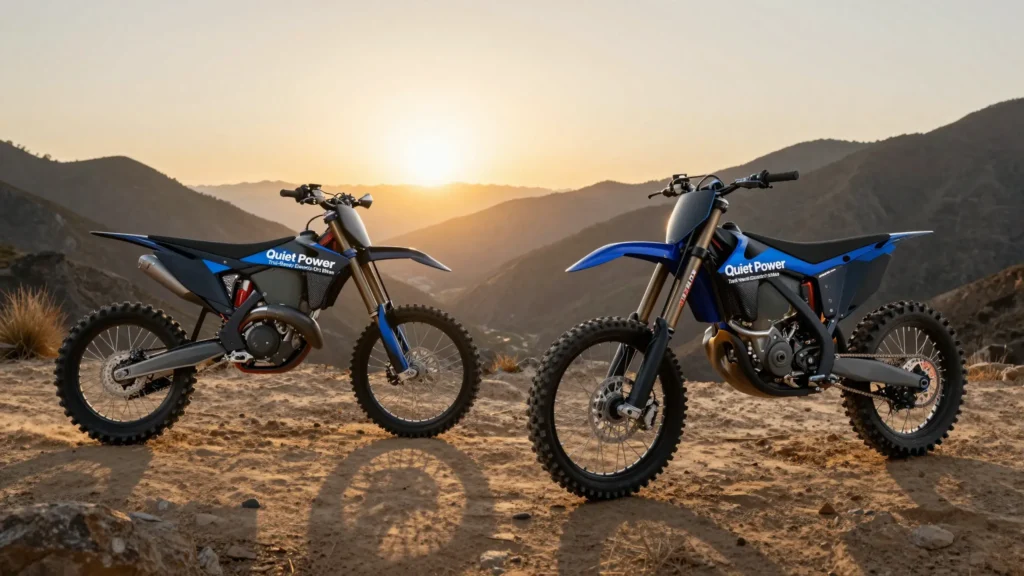
One of the most impressive aspects of electric dirt bikes is how they deliver power. Electric motors produce maximum torque from zero speed, allowing riders to accelerate quickly and maintain control at low speeds. This is particularly helpful on narrow or technical trails where precision matters more than top speed.
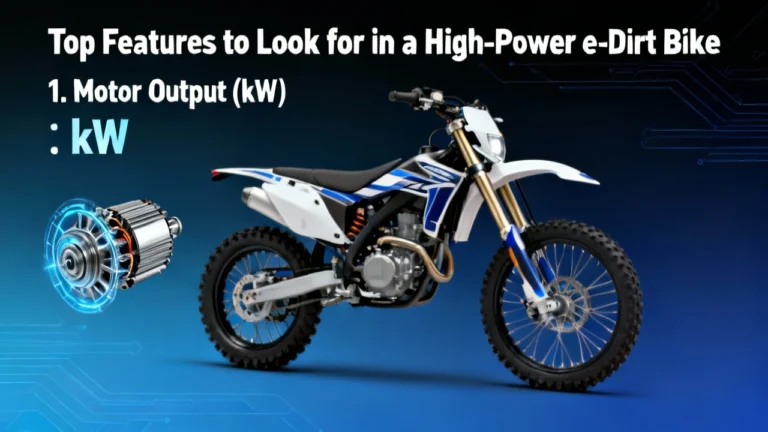
While gas bikes are often measured by engine displacement, electric bikes are rated by motor output and battery capacity. Many trail-ready electric dirt bikes now match or exceed the performance of small to mid-sized gas models, making them suitable for serious off-road use. Riders can often select different riding modes to balance power, range, and control depending on trail conditions.
Battery Life and Range on the Trail
Battery range is one of the most discussed topics when it comes to electric dirt bikes. Trail-ready models are designed to balance weight and endurance, offering enough range for extended rides without becoming too heavy. Range varies depending on terrain, riding style, and power settings, but improvements in battery efficiency continue to push limits further each year.
Charging options are also expanding. Many riders charge their bikes at home or transport spare batteries for longer adventures. As charging technology evolves, faster and more convenient solutions are becoming more common, making electric dirt bikes increasingly practical for trail use.
Quiet Riding and Environmental Benefits
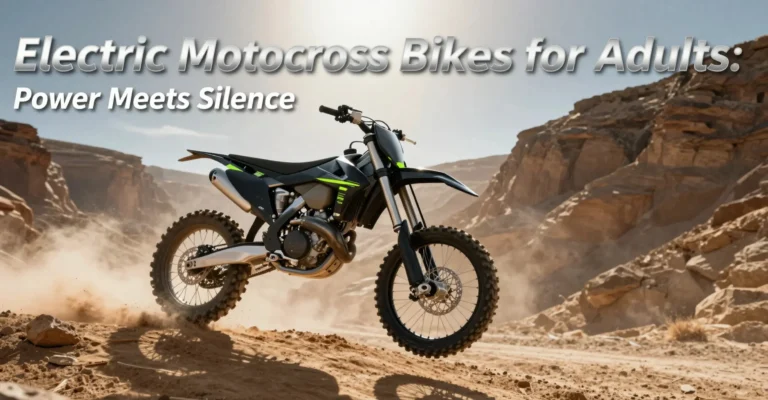
One of the biggest advantages of electric dirt bikes is their quiet operation. Without the roar of a gas engine, riders can enjoy the natural sounds of the trail, such as wind, wildlife, and flowing water. This reduced noise can make riding more relaxing and less disruptive to others sharing the outdoors.
From an environmental perspective, electric dirt bikes produce no direct emissions. While electricity generation still has an environmental cost, electric bikes generally have a smaller overall impact compared to gas-powered alternatives. This makes them appealing for riders who value sustainability and responsible trail use.
Maintenance and Reliability
Electric dirt bikes are also known for lower maintenance requirements. Without oil changes, fuel systems, or complex engine parts, there are fewer components that can wear out or fail. Regular checks typically focus on the battery, brakes, tires, and suspension.
This simplicity can be especially attractive to new riders or those who prefer riding over wrenching. Fewer mechanical issues mean more time on the trail and less time in the garage.
Who Are Electric Dirt Bikes For?
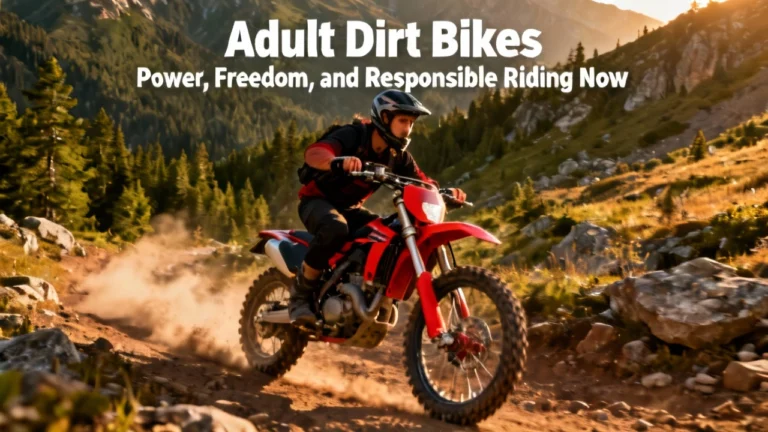
Trail-ready electric dirt bikes appeal to a wide range of riders. Beginners may appreciate the smooth power delivery and reduced complexity, while experienced riders can enjoy the instant torque and advanced technology. They are also well-suited for riders who want to practice skills in quieter areas or explore trails where noise restrictions exist.
Urban riders who travel to trail systems may also find electric bikes convenient, as they are easier to transport and store without fuel concerns. As designs continue to evolve, electric dirt bikes are becoming versatile tools for many types of off-road adventures.
Challenges and Future Outlook
Despite their advantages, electric dirt bikes still face challenges. Battery range, charging infrastructure, and upfront cost remain common concerns. However, these issues are steadily being addressed as technology advances and production scales increase.
Looking ahead, the future of trail-ready electric dirt bikes appears bright. Lighter batteries, longer ranges, and smarter power management systems are already in development. As more riders experience the benefits firsthand, electric dirt bikes are likely to become a familiar sight on trails around the world.
Conclusion
Trail-ready electric dirt bikes represent a new chapter in off-road riding. By combining modern technology with rugged design, they offer a powerful, quiet, and environmentally conscious way to explore the outdoors. While they may not completely replace gas-powered bikes, they provide a compelling alternative that continues to gain momentum. For riders seeking innovation without sacrificing adventure, electric dirt bikes are proving they are more than ready for the trail.