E-Bikes: The New Way to Move
Explore the transformative rise of e-bikes—from their technology and diverse benefits to how they’re reshaping urban commuting, fitness, and outdoor adventure for all ages.
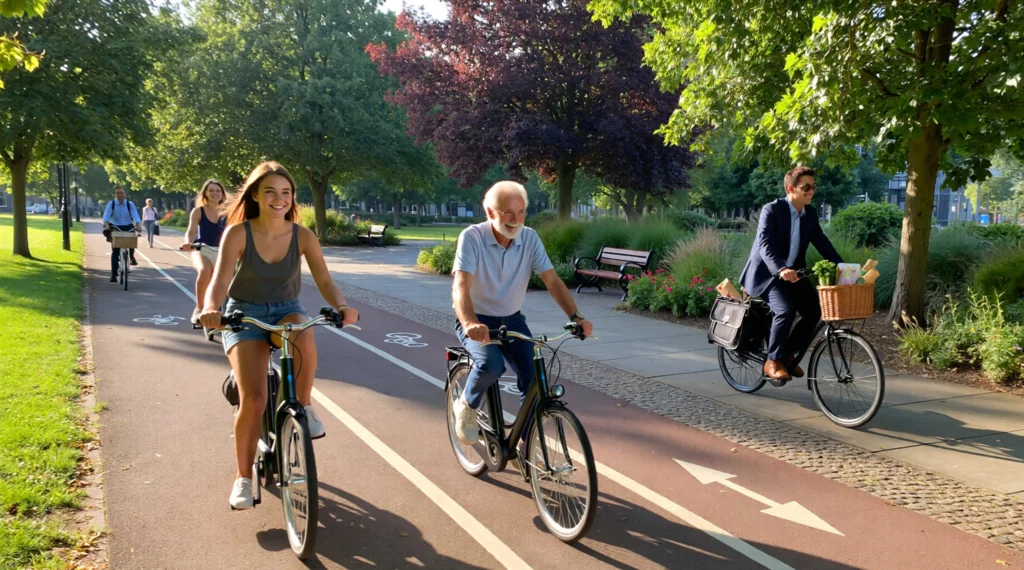
The bicycle has been a staple of personal transportation and recreation for over two centuries. A simple, elegant machine, it represents freedom, efficiency, and sustainability. Yet, for all its benefits, the conventional bicycle has always faced a primary challenge: hills, distance, and the effort required. Enter the electric bicycle, or e-bike. Far more than a passing fad, the e-bike is a revolutionary device that is swiftly moving from niche curiosity to mainstream transportation, fundamentally changing the way people commute, exercise, and experience the outdoors. This shift is not merely technological; it is a cultural and environmental one that promises a greener, healthier, and more accessible future for mobility.
The Technology Behind the Buzz
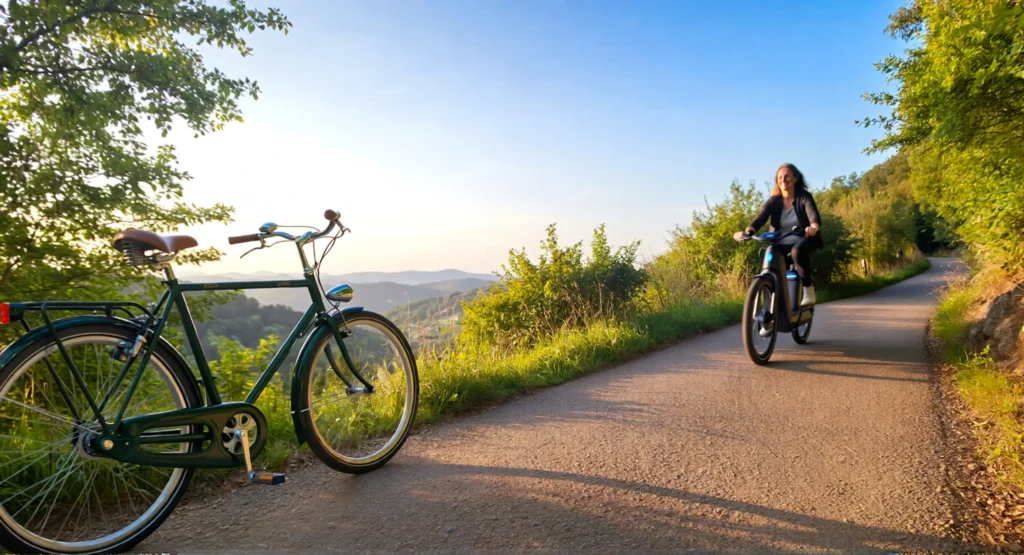
At its heart, an e-bike is a traditional bicycle augmented with three key electrical components: a motor, a battery, and a controller. The most common type is the pedal-assist (or pedelec) e-bike.
- The Motor: This is the muscle. Motors are typically found in two places, either in the wheel hub (hub-drive) or near the cranks in the center of the frame (mid-drive).
- Hub-Drive: Simpler, cheaper, and often found on entry-level models. They provide a steady push to the wheel.
- Mid-Drive: More expensive and complex, but highly favored for their efficiency, power, and balanced weight distribution. They integrate with the bike’s gearing, making them superior for climbing steep hills.
- The Battery: The lifeblood of the e-bike, typically a lithium-ion unit, similar to what powers smartphones and electric cars. Battery capacity, measured in watt-hours (Wh), directly dictates the bike’s range. Significant advancements in battery technology have led to lighter, longer-lasting, and faster-charging power sources, alleviating the once-common “range anxiety.”
- The Controller and Sensors: This is the brain. Sensors (cadence or torque) detect when and how hard the rider is pedaling. The controller then instantly modulates the power delivered by the motor, providing a seamless and intuitive boost. This is not a scooter; the rider must still pedal for the assistance to engage.
In many regions, e-bikes are legally categorized into classes (Class 1, 2, and 3) based on their top speed and whether they use a throttle, which is crucial for determining where they can be ridden.
A Multitude of Benefits: Why the Rapid Adoption?
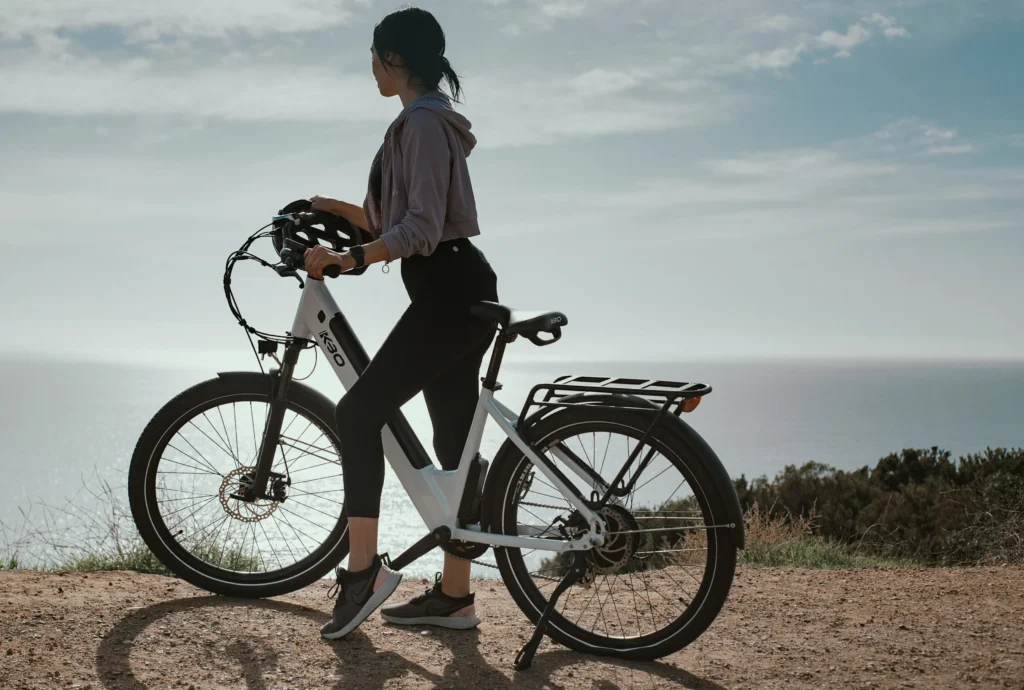
The widespread appeal of e-bikes stems from their ability to solve long-standing commuting and fitness barriers.
1. Reshaping Urban Commuting
For the urban commuter, the e-bike is a game-changer. It offers the speed and convenience of a bicycle without the arrival-at-work sweat factor. Hills become negligible, and headwinds are manageable. This expands the practical range of cycling, making a five-mile commute feel as effortless as one mile.
- Door-to-Door Efficiency: E-bikes cut through traffic jams, often beating cars and public transport over short-to-medium distances.
- Reduced Cost: They are significantly cheaper to own and operate than a car, requiring no fuel, insurance, or parking fees. Charging the battery costs mere pennies.
2. Broadening Fitness and Health
A common misconception is that riding an e-bike is “cheating.” While they provide assistance, studies show e-bike riders get comparable levels of exercise to traditional cyclists, often by cycling for longer durations and more frequently.
- Accessibility: E-bikes level the playing field for people of all ages and fitness levels. They enable seniors, individuals with joint problems, or those recovering from injury to enjoy cycling.
- Family Fun: They make it feasible to haul children, groceries, or heavy cargo (with the rise of electric cargo bikes) without exhausting the rider.
- Motivation: The reduced physical barrier encourages more people to get outside and cycle, promoting an active lifestyle without the intense physical demands of conventional cycling.
3. Enhancing Adventure and Recreation
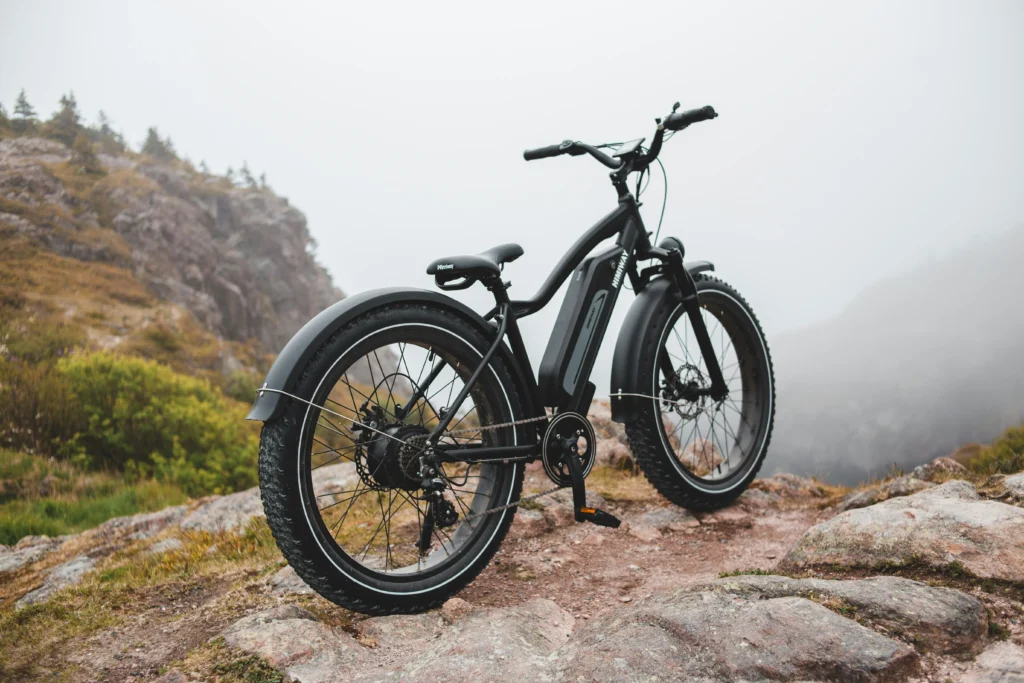
Beyond the city, e-mountain bikes (eMTBs) are democratizing trail riding. They make the arduous uphill climb (the “schlepp”) manageable, allowing riders to focus their energy and time on the fun downhill sections. This means more laps in a session and access to more remote trails for the average rider. Furthermore, electric touring bikes are opening up multi-day, long-distance cycling adventures that were previously reserved only for elite athletes.
The Future of Mobility
The e-bike revolution is happening concurrently with significant investment in cycling infrastructure worldwide. As cities continue to prioritize protected bike lanes and car-free zones, the e-bike’s practicality only grows. Governments and businesses are recognizing their utility:
- Incentives: Many regions offer subsidies or tax breaks for e-bike purchases, similar to incentives for electric cars.
- Commercial Use: E-cargo bikes are replacing vans for last-mile delivery services, proving to be faster and more sustainable in densely populated areas.
The e-bike is not just a passing trend; it is a sustainable, accessible, and enjoyable form of mobility that addresses 21st-century challenges—from climate change to urban congestion—with a simple, elegant solution. By removing the physical limitations of the traditional bicycle, the electric revolution is putting more people back on two wheels, ushering in an era of greener, happier, and more active communities. It is a powerful example of how smart technology can enhance a classic design to transform our daily lives. The road ahead is electric, and the e-bike is leading the charge.